

How To Clean Antique Metal Chocolate Molds
To polish or not to polish – that is the question for many antique collectors. Knowing how to make clean antiques can make or break cherished pieces. But is information technology e'er appropriate to clean antiques? While cleansers can bandbox up materials like wood, leather, silver and brass, cleaning may likewise polish abroad prized features. For instance, "patina" is a characteristic developed over fourth dimension. Some antiques are better left untouched because it is this very patina that adds charm and value. Designers even use aging methods on newer items to create this sought-after grapheme.
Whether the goal is to make antiques shine or maintain their natural appeal, this guide covers how to clean antiques and when not to:
Why do antiques lose their smoothen over fourth dimension?
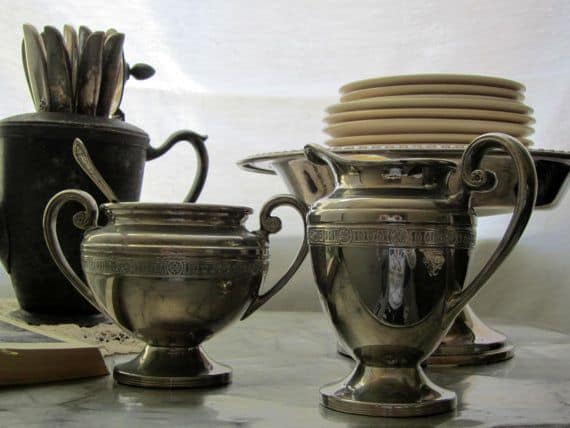
Beauty marks such as tarnish on metals and spots on mirrors tin signal an antiquarian'southward authenticity. Often, oxidation causes this green or black film commonly referred to every bit patina. Oxidation, simply, results from exposure to air. The longer materials such as silver, contumely, copper, and cast atomic number 26 are exposed to ecology elements, the more than they collect patina and even rust. Accordingly, limit contact with air and humidity to minimize tarnish. Like shooting fish in a barrel, right! Shop silvery pieces in anti-tarnish numberless and airtight boxes when not in use. Or place sticks of school chalk within display cabinets to absorb sulfur and other filming gases. Since acids on the skin activate tarnish, wearable gloves when handling objects.
Practice some materials look amend if left untouched?
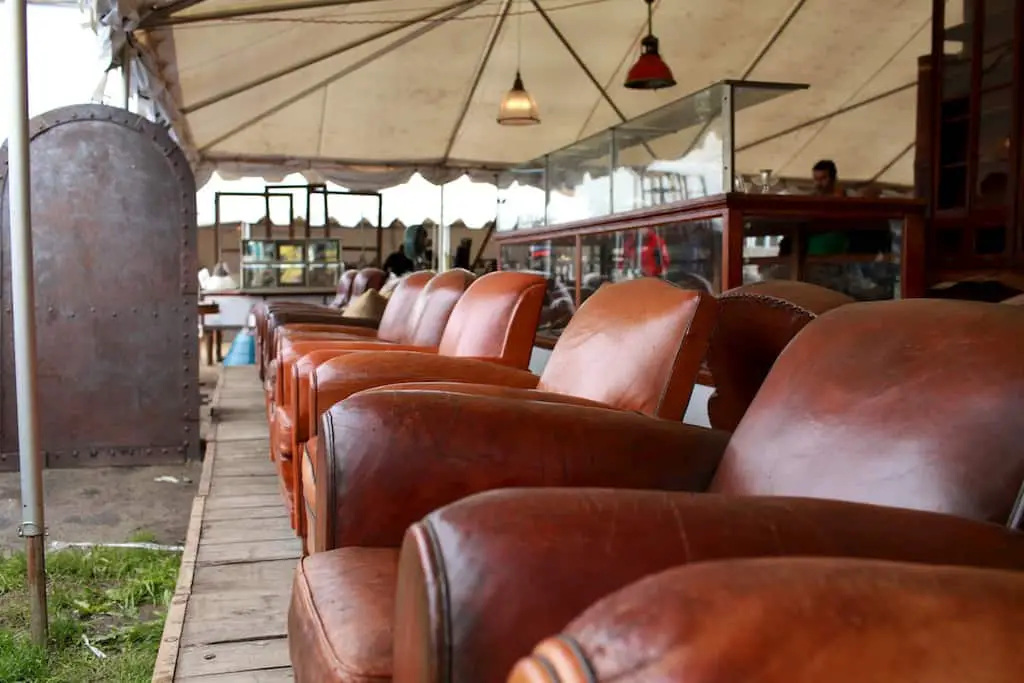
Taking a hand's off approach tin be beneficial. Although techniques artificially age new pieces in minutes, antiques gather 18-carat patina over decades. Plus, it is near impossible to replicate the richness of globe tones like the greenish blues and gilded hues formed on copper and bronze. Patina is not but a signature of older metals. Antique wood and leather age gracefully too. In fact, these materials acquire amber and honey shades that deepen their warmth and heirloom quality.
"With wooden antiques that have built up a 'patina' from beingness handled and used over long periods of time, have slap-up care not to remove this surface effect as that will be highly desirable to a buyer in the future," says Marker Colina, Member of The British Antiques Dealers' Clan, Head of Design at Dawsons Auctions, and European union & UK Director at RONATI. "This is particularly true of 'treen', pocket-size commonsensical and functional wooden pieces for the home fabricated from the 16th to early 20th century. Removing this 'good habiliment' tin reduce the desirability and value of a slice of treen (and indeed piece of furniture with great color and patina) dramatically."
How to decide which antiques to make clean?
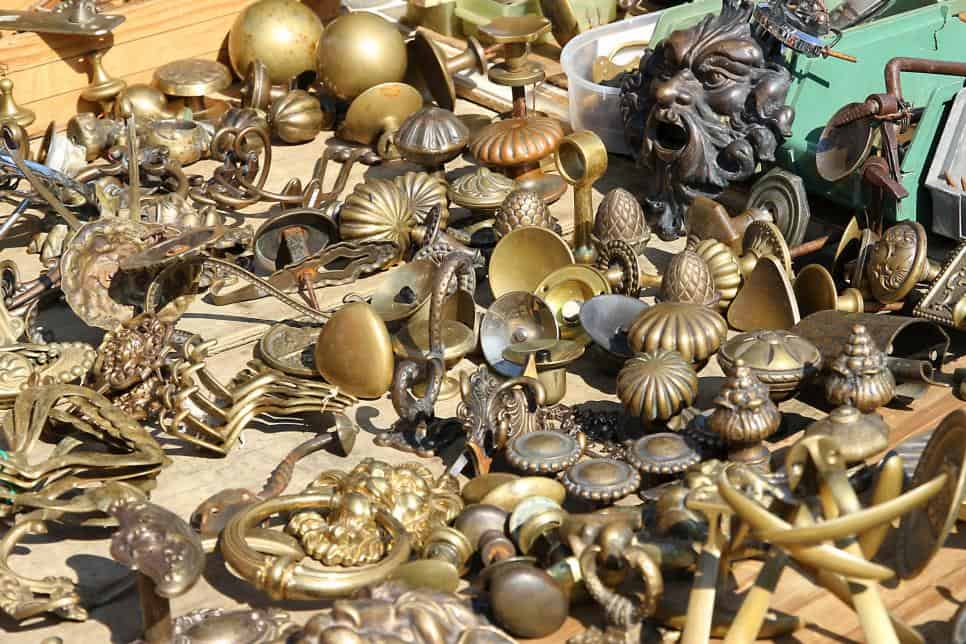
When information technology comes to cleaning, place an antiquarian's purpose. It is okay to clean items used on a regular ground, like silverware. Similarly, yous may want to spruce up decorative pieces. Yet antiques with historic value should be left alone. "Patina is of paramount importance for antique collectors," says The Antiquarian Sage. "First, it serves to protect an antique from further, undesirable corrosion. 2d, it tin serve as a hallmark of authenticity. Many collectors want their onetime items to look quondam. Cleaning them and then they expect like new defeats the purpose of owning a fine antique!"
Which antiques should be cleaned, which should not?
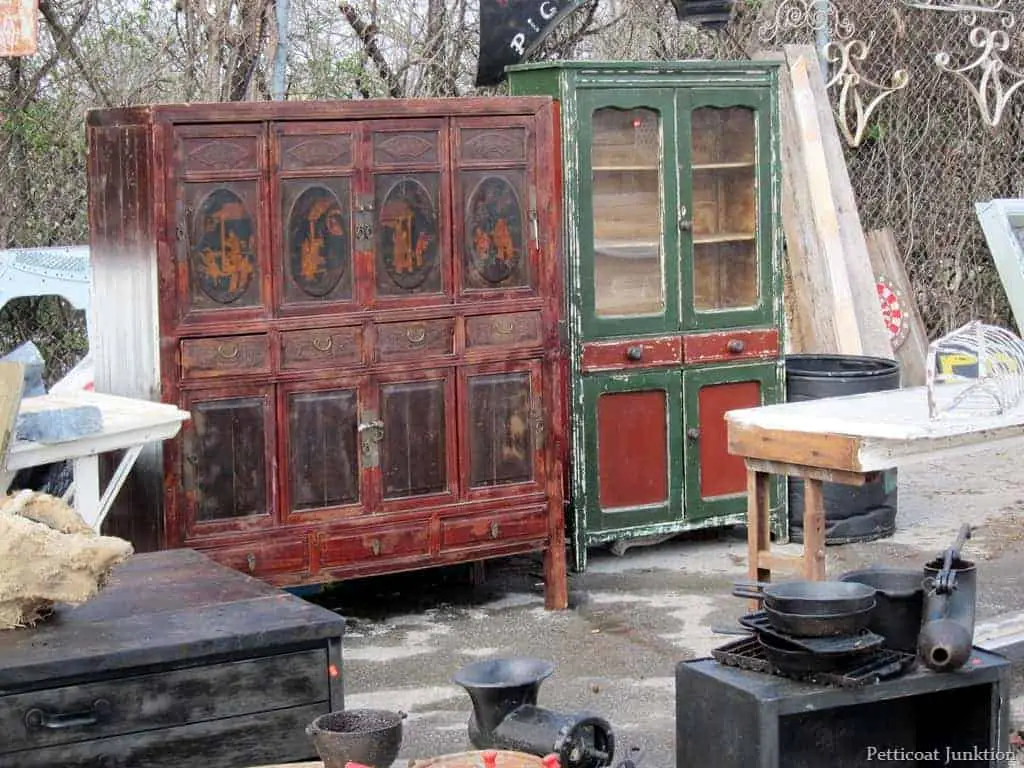
If in dubiety, it's a good rule of thumb to go out antiques alone. Bronze and copper are among the materials to avoid cleaning. "Fairly frequently on the Antiques Roadshow, we see a 19th century statuary that has been brought along by an possessor in brilliantly bright condition, and then the possessor proudly announces that they spent the last twenty-four hours cleaning it to make it bright and shiny," says Marking Colina. "That brown or greenish-tinged brown terminate is known as 'patination' – and it'due south central to value. Removing it reduces both the desirability and value of the bronze by well over half." Likewise, steer clear from shining old coins. While polishes such as beeswax and carnauba wax status wood, oils tin can practice more harm than good. Additionally, cleaning painted wood tin diminish authentic craquelure , or peachy.
"In my stance, antique silverware and jewelry (excluding watches) are ii of the only vintage categories that are alright for the layman to clean, only fifty-fifty here one has to be conscientious," The Antique Sage advises. "Organic gemstones like pearls, coral, shell cameos, and amber plant in vintage jewelry are very sensitive to common ammonia-based jewelry cleaners."
When to call the pros
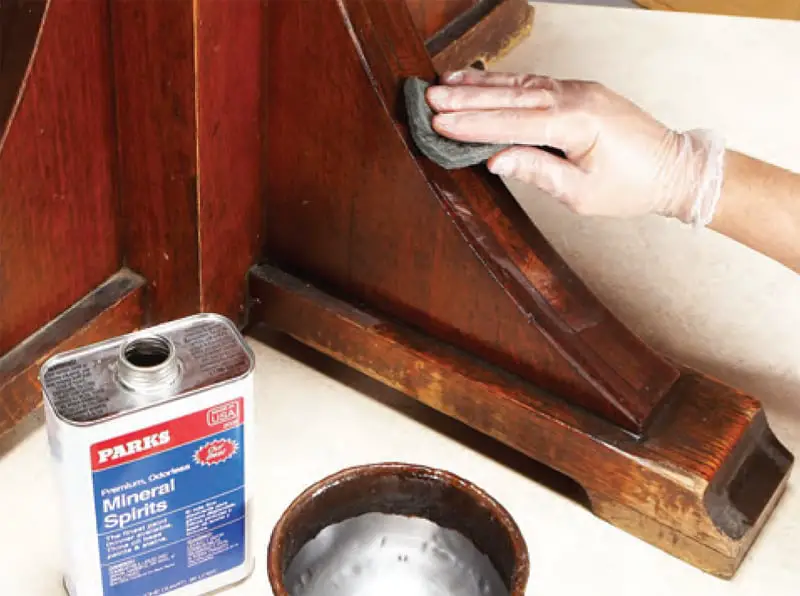
A gentle touch goes a long manner in terms of basic upkeep. Some jobs demand expert finesse, though. For instance, exit antique rugs to professionals. Vacuum and spot make clean rugs to prevent spills from setting in, but deep cleanings risk damage to colors and fabrics. The pros are too a better option when abrasives come into play. Steel wool and mineral spirits are accepted at-home tools to remove old wax on wood. However, you may feel more than comfortable hiring someone skilled in antique furniture restoration. "If you lot strongly feel that a piece desperately needs a thorough cleaning, so seek a professional stance," The Antique Sage says. "More often than not, this is only worthwhile for higher value pieces."
Cleaning products available online

Many products sold online can reach household cleaning tasks. A get-to cream for most metals is Sidol. In full general, employ it to polish copper, brass and silver. Sidol can also clean chrome and ceramic surfaces such as those on vintage stoves. To treat leather, search for conditioners that nourish and preclude not bad. Several leather conditioners that have been on the market for generations include Pecard Antiquarian Leather Dressing and Belvoir Leather Balsam. Polishes like Minwax and Renaissance Wax can both clean and preserve thirsty-looking antique wood. Mutual oil-based polishes on the other hand may just movement the grit around and leave unwanted balance.
How to clean antiques with bootleg recipes
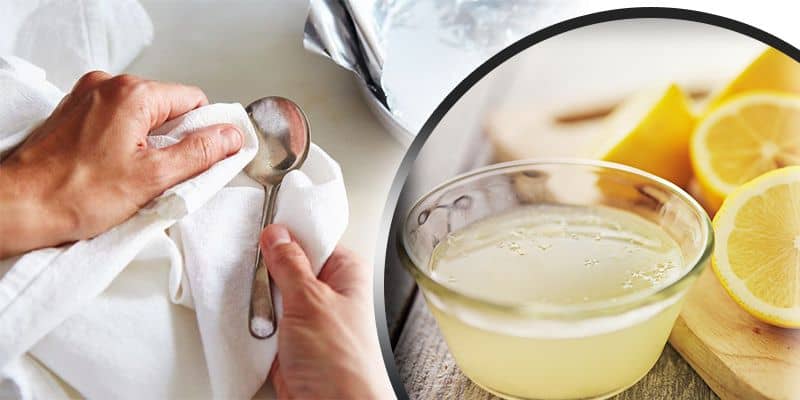
Looking for some easy DIY recipes? Many common household ingredients make constructive cleaning solutions. Whip upwardly an aluminum-soda bathroom to clean a batch of silver. To do so, bring one liter of water, one tablespoon of baking soda, and one piece of aluminum foil to a boil. Soak silverware in the pot until the tarnish disappears, usually within x to fifteen seconds. Alternatively, polish silver with a dollop of ketchup. Either ketchup or a footling squeezed lemon with a pinch of salt cleans contumely if going for a brilliant polish. For leather inlay on tabletops, mix a solution of 1 cup of warm water and two to three drops of liquid dish detergent or castile soap. Wring the cloth out before wiping the leather. Then remove the dish lather mixture with a clean cloth and warm water earlier buffing the leather with a dry textile.
Cleaning antiques is a chore no matter which products you use. In the end, however, using a professional person polish might make the task easier.
How to fix mistakes
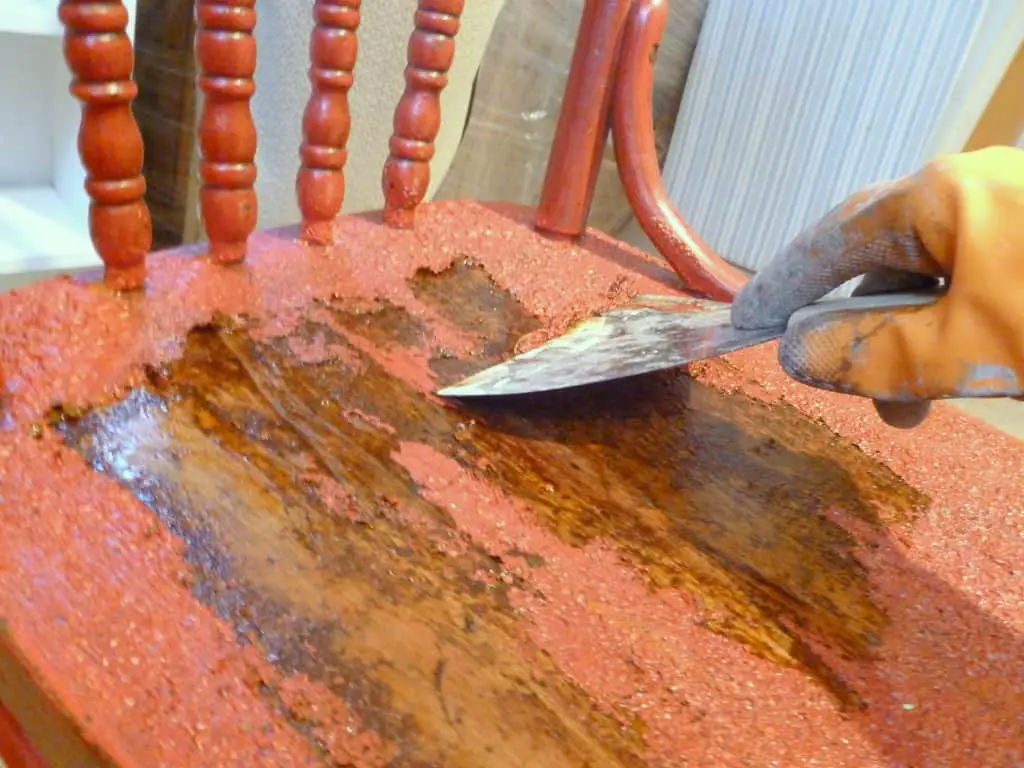
Accidents happen. Earlier applying whatsoever solution, spot-test cleansers on small-scale, concealed places. Some lacquers and stains lighten the terminate on furniture. If this happens, dab a color-matched stain marker to the affected area. Burnishing is also a technique to make mistakes less obvious. To do so, rub a piece of denim over the discolored section until the fresh lacquer blends in with the older terminate. Tips on how to artificially historic period or "patinate" may come in handy as a last resort to make decorative items await old again. Essentially, soak metals like contumely in cider vinegar and table salt to speed up oxidation. While these methods are affordable, the results tin can exist costly and are not advised for authentic antiques. Ultimately, major mishaps will likely require expert antique restoration.
How To Clean Antiques: From theory to practise
Nicolas, our chief editor, had a few antiques laying around in need of some more than deserved tender and loving care. So he decided to put to the test some of the tips, cleaning products, and home-made recipes featured in this article. Every bit "guinea pigs" he used:
- 1x Art Deco Marelli desk-bound fan (cast iron and brass),
- 1x Art Deco cruise ship moneybox (pewter),
- 6x Mid century coat hangers (chromed steel) institute in the trash.
Fine art Deco Marelli desk-bound fan (cast fe and brass)
Product used: Sidol for contumely, copper & statuary + a bucket filled with warm water and vinegar for the safety filigree.
-
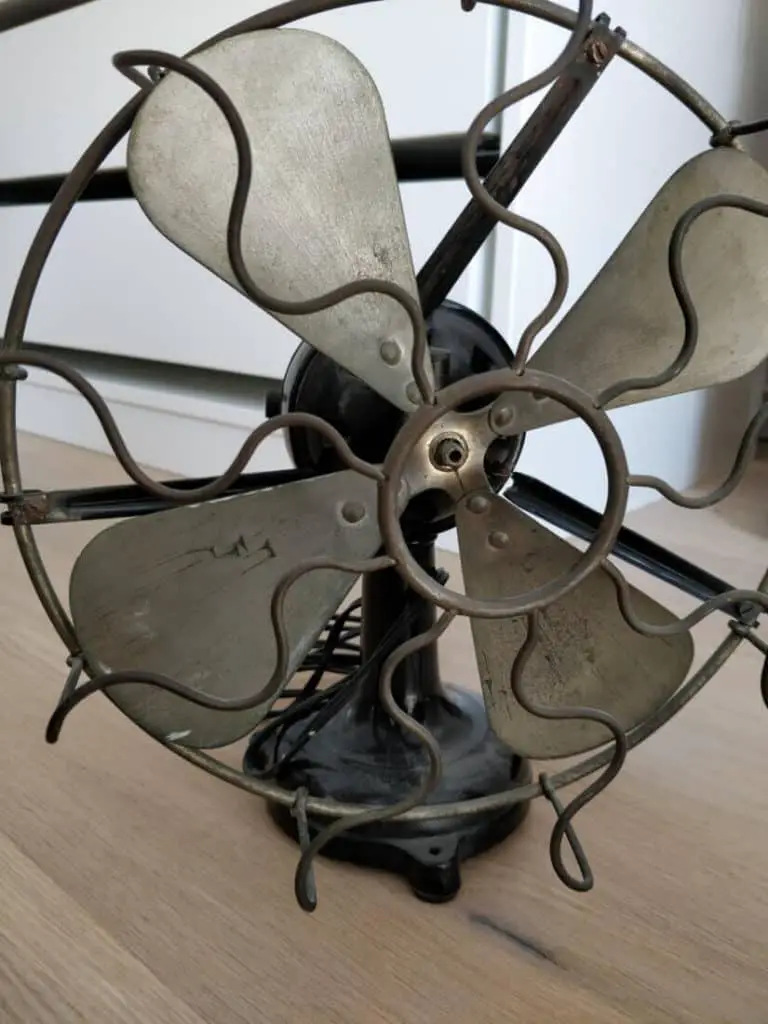
Art Deco Marelli desk fan (earlier cleaning) -
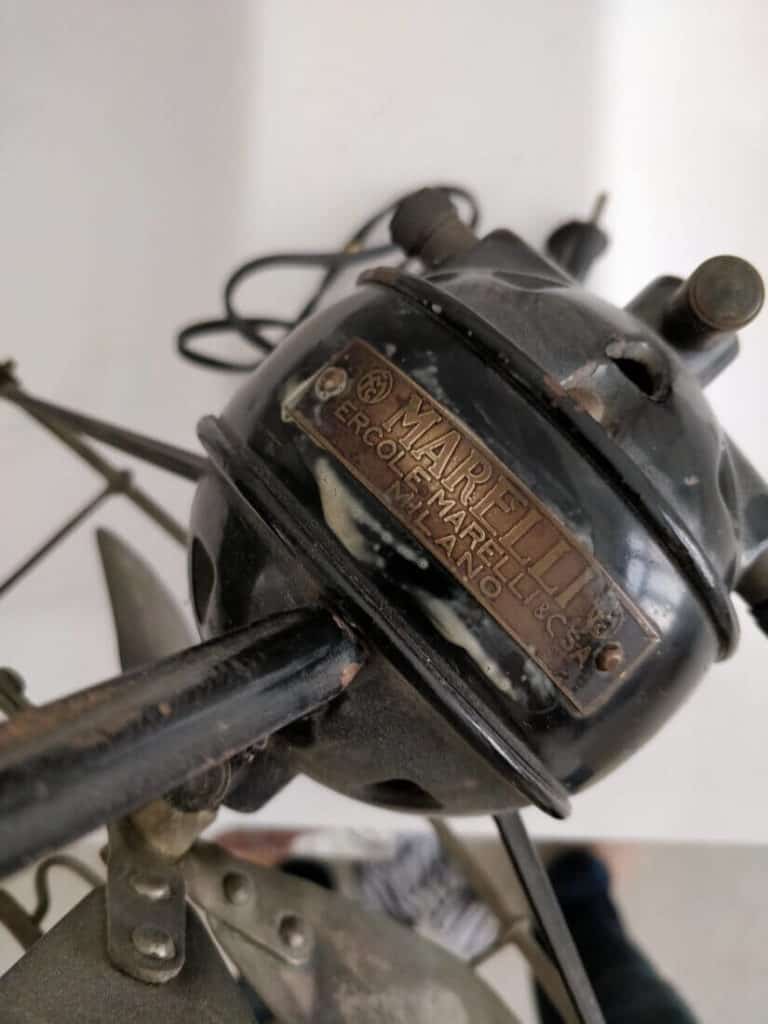
Fine art Deco Marelli desk fan (earlier cleaning)
The first part of the job was to dismount all visible parts that could be removed in order to treat them separately. I managed to unscrew the artillery belongings the safety grid (brass), and I slid the blades (brass) from the central axis. I started past scrubbing the copper tag begetting the name "Marelli" with a cloth and a knob of Sidol. Information technology took approximately two minutes of scrubbing to restore the radiance of yesteryear.
After this first successful examination, I was confident that cleaning the blades would be washed in a thing of x to 15 minutes. It took instead 45 minutes to attain a satisfying issue. The reason is that the tag is made of copper (which might react amend to the polish), and the blades of the fan are made of brass. I had the same outcome with the safety grid which is also made of brass. After twenty minutes of scrubbing, only 15% of the grid was completed. Information technology was time to test a home-made recipe: hot water + vinegar.
After letting the grid soak twenty minutes in this mixture, the rubbing procedure felt like a walk in the park. And within fifteen minutes the cleaning chore was fully completed: the grid was cleared of all impurities and oxidation. I used a cloth and some Sidol to shine the filigree before mounting it back on the cast-iron structure.
-
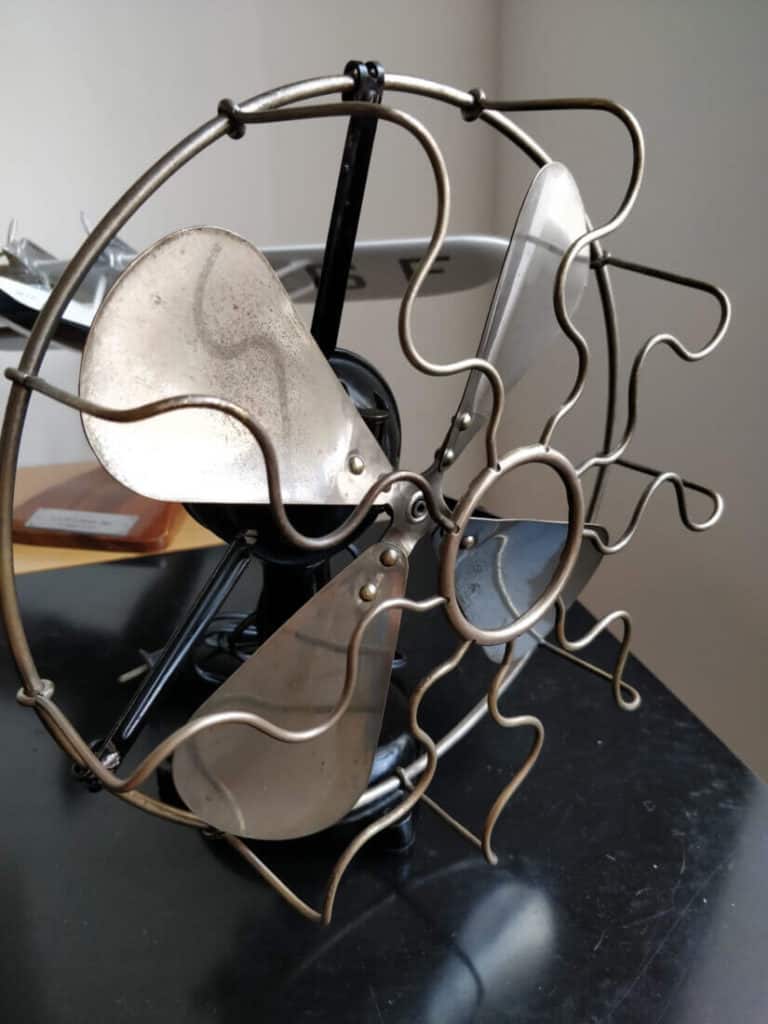
Art Deco Marelli desk fan (after cleaning) -
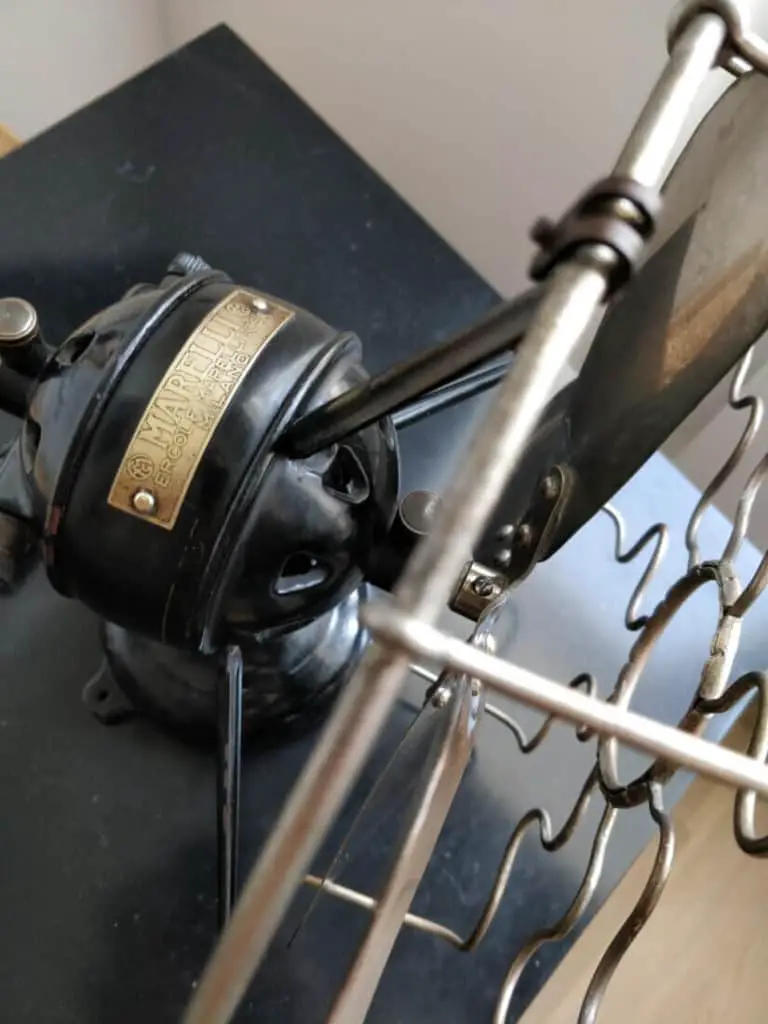
Art Deco Marelli desk-bound fan (after cleaning) -
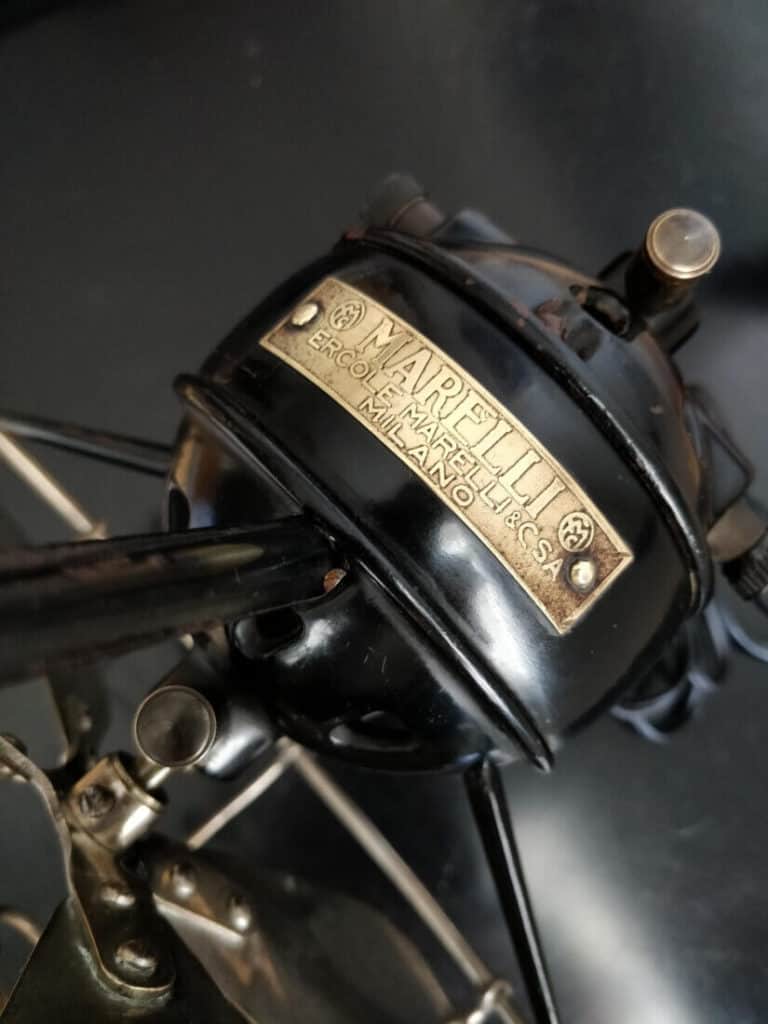
Art Deco Marelli desk fan (after cleaning) -
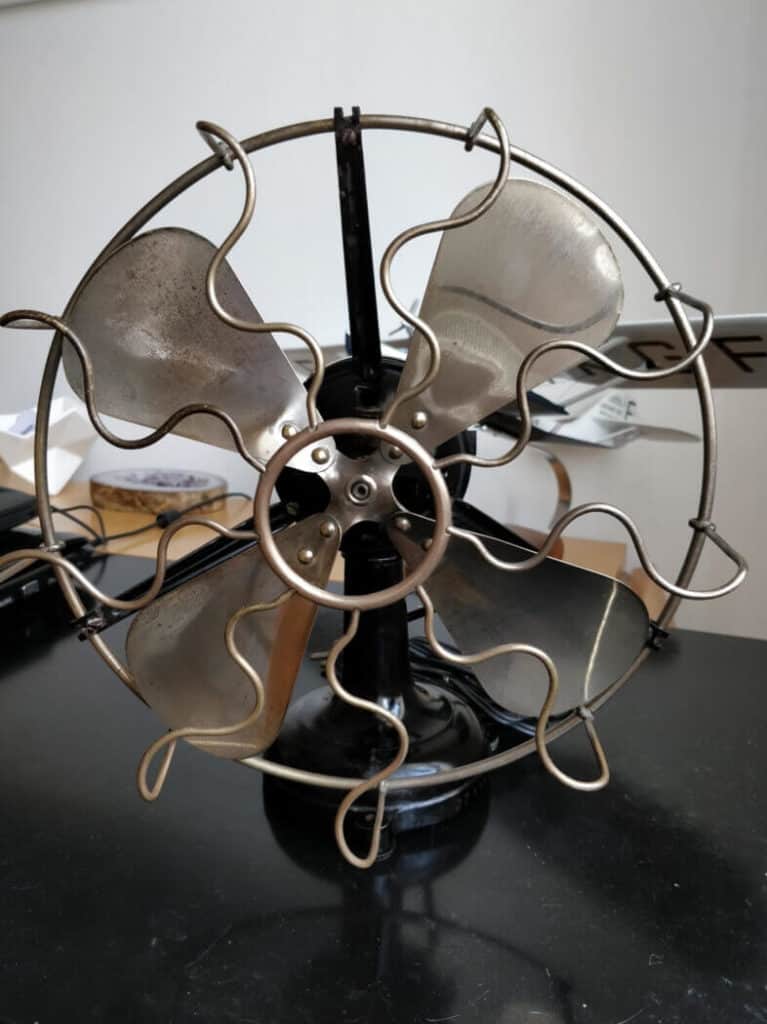
Art Deco Marelli desk fan (later on cleaning)
Verdict: after years of having this Art Deco Marelli desk fan in a room, I finally find it! It looks fashion better than when I purchased it. I have to admit that I was inspired in this endeavor by antique dealer Le Déchineur by Gaetan de Paix de Coeur who skillfully restored a 1930s Marelli fan.
Art Deco cruise send moneybox (pewter)
Product used: Sidol for tin, silver & gold
The cleaning procedure for this Art Deco cruise ship moneybox fabricated of pewter was pretty straightforward (at least in comparison to the Art Deco Marelli desk fan). It was so oxidized, that I was not sure whether this was the original color of the particular, or a result of the aging process of pewter.
I decided to get-go with the bottom part of the moneybox to check first what was beneath the nighttime tint of the metallic. I put a knob of Sidol for tin, argent & gilded on a cloth, and gently rubbed the item. Subsequently a few seconds, the role of the cloth in contact with the pewter slowly got covered with dark residue, and the bottom of the moneybox regained its smoothen.
From hither I decided to go along advisedly and piece of work only on one side of the money box (then I could always decide later to expose one or the other side of the cruise ship moneybox. After 20 minutes of rubbing, half of the detail was shining like silverish. I decided to keep the other half untreated, for educational/comparison purposes.
-
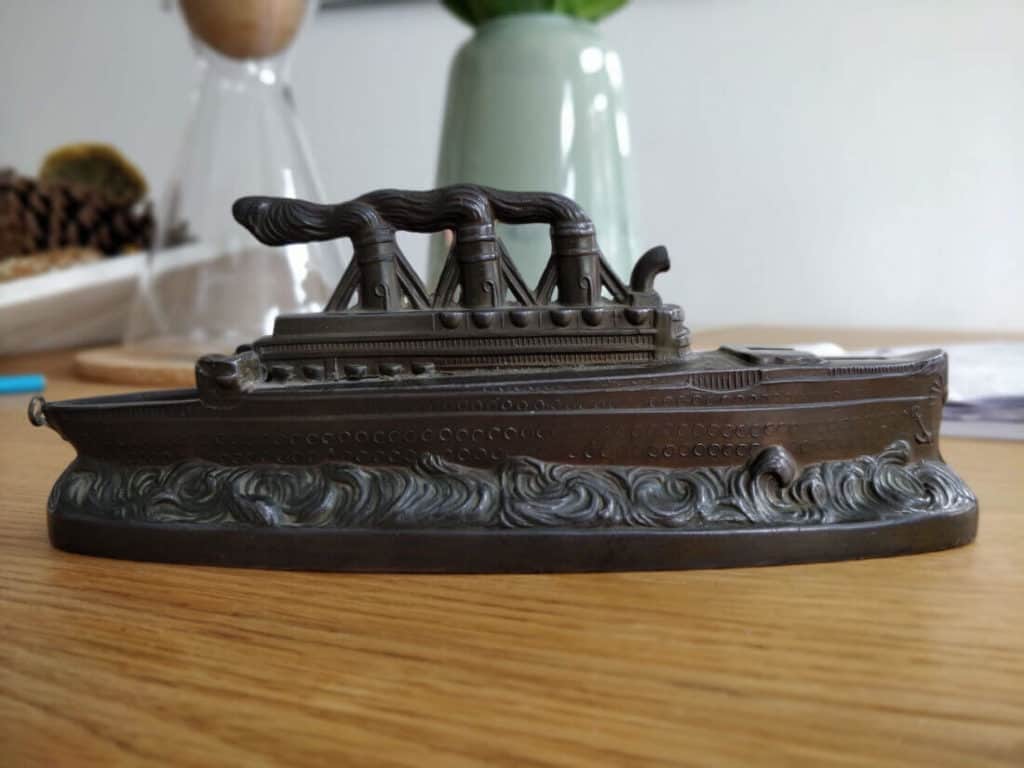
Fine art Deco pewter cruise ship moneybox (before cleaning) -
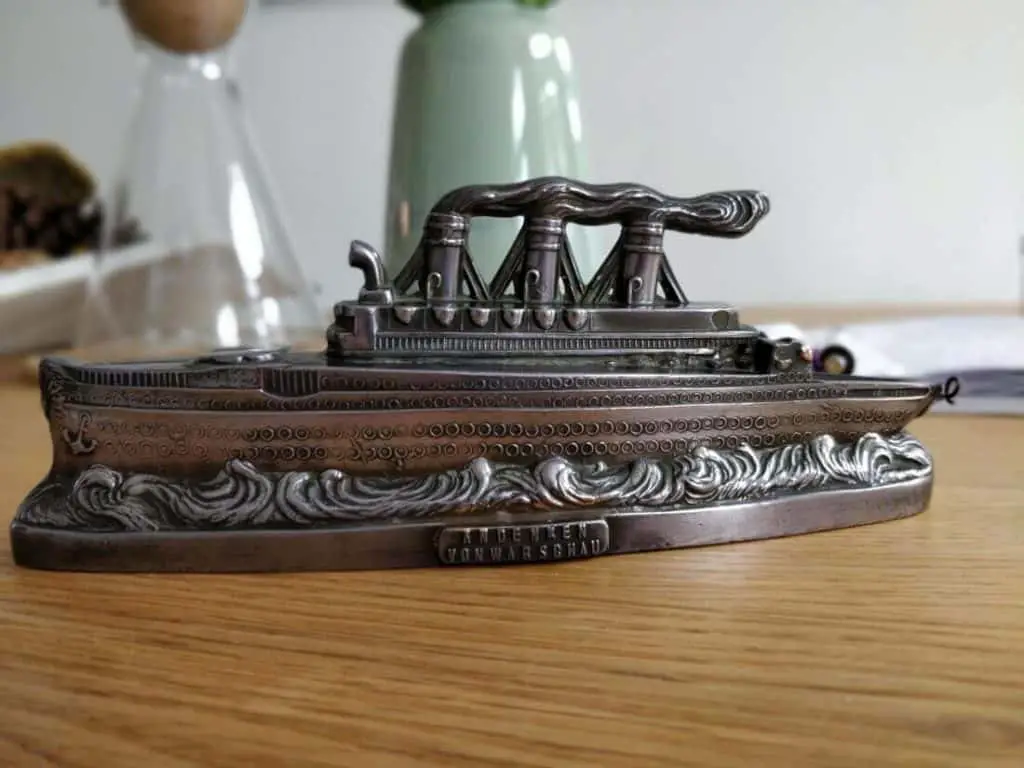
Art Deco pewter prowl send moneybox (after cleaning)
-
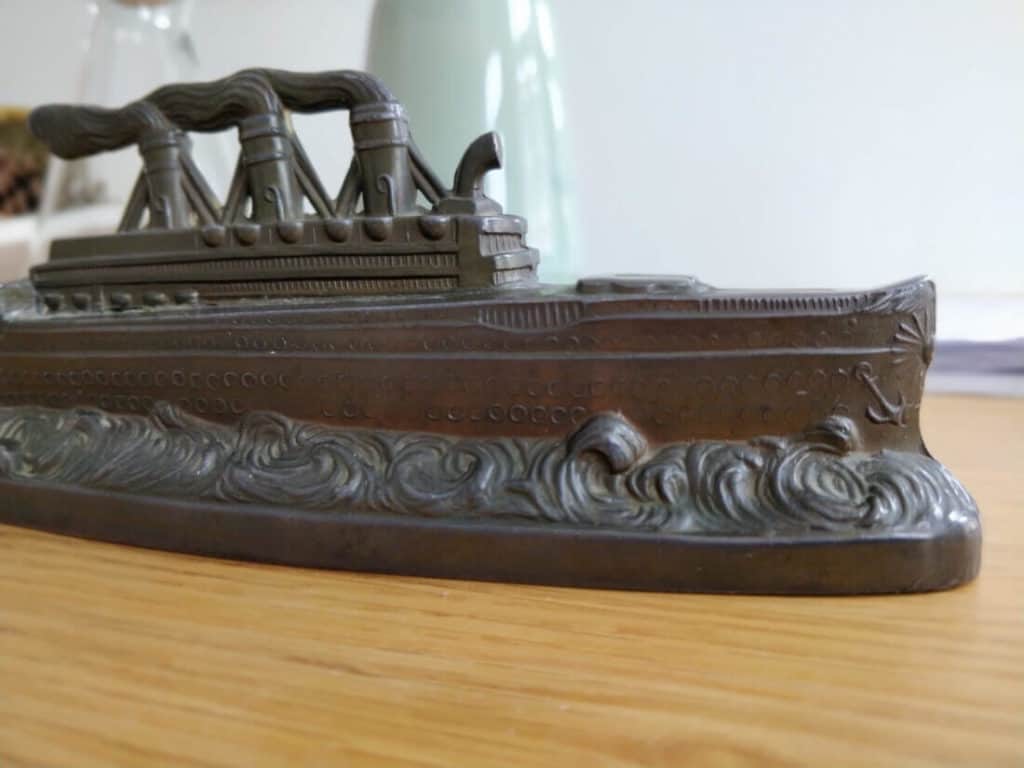
Art Deco pewter cruise ship moneybox (before cleaning) -
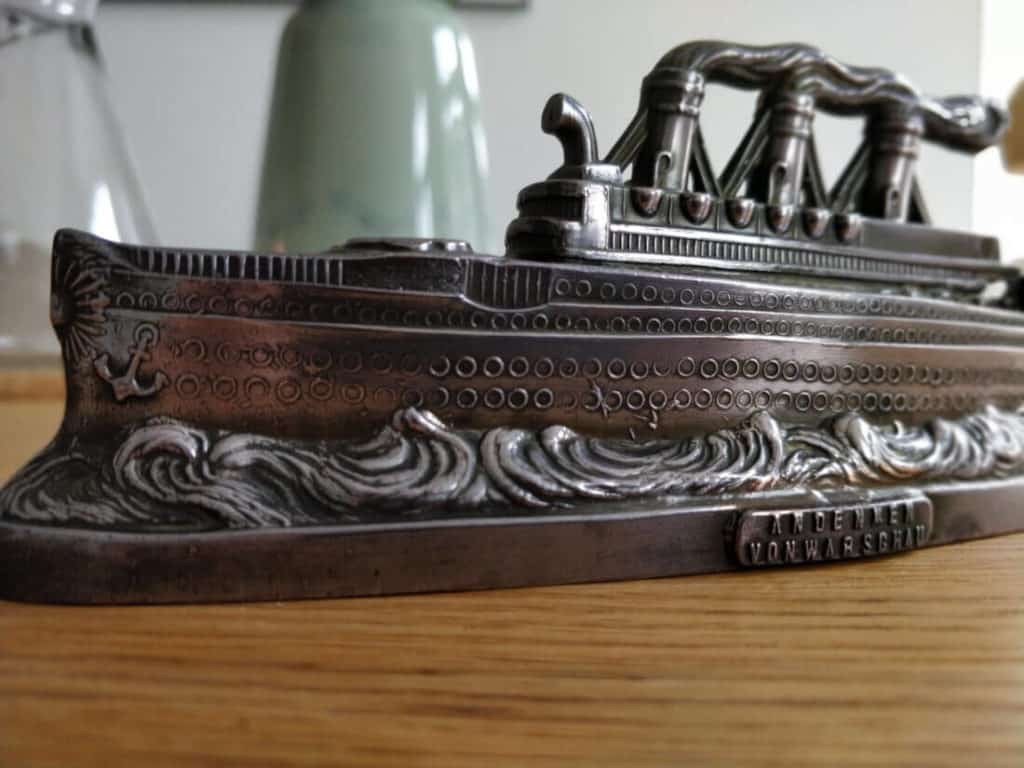
Art Deco pewter cruise ship moneybox (after cleaning)
Verdict: I'grand withal not sure which side of the Art Deco cruise transport moneybox I prefer. At to the lowest degree I discovered what was hiding below this coat of oxidation. I will leave it as it is for at present. But retrospectively, I wouldn't probably clean information technology again. This somehow discouraged me from cleaning this bronze statue of a German WWI airplane pilot with propeller (material: quality bronze and contumely alloy), which was a great decision.
-
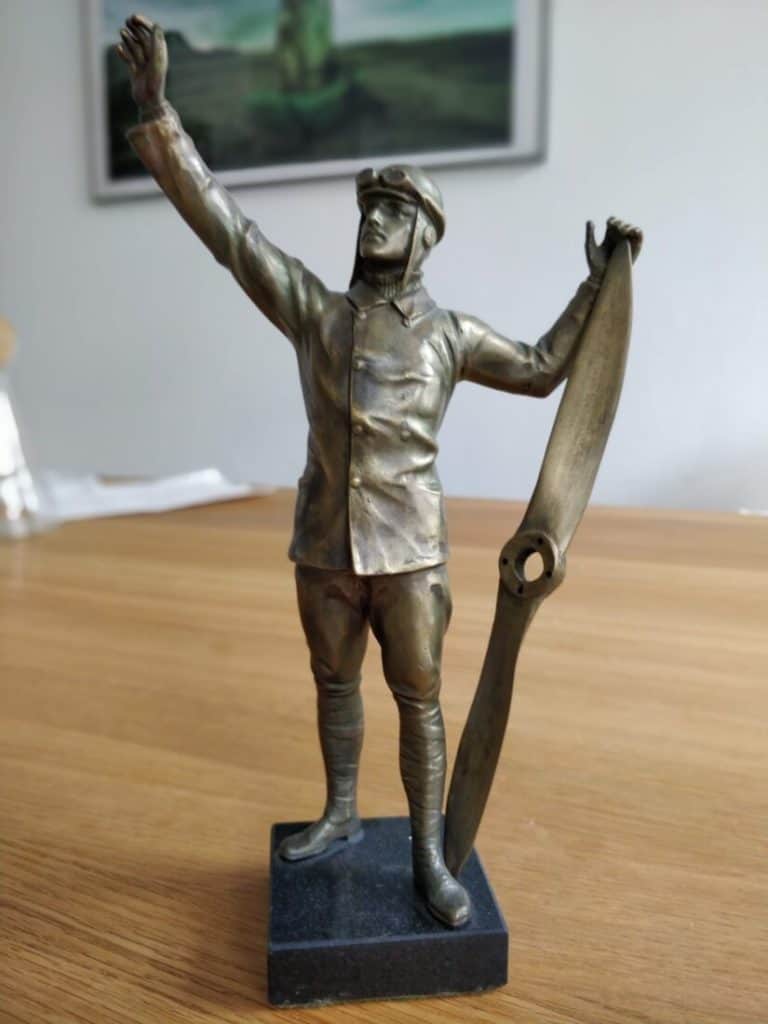
To polish or non to polish, that is the question: Art Deco bronze statue of a German WWI pilot with propeller (left untouched) -
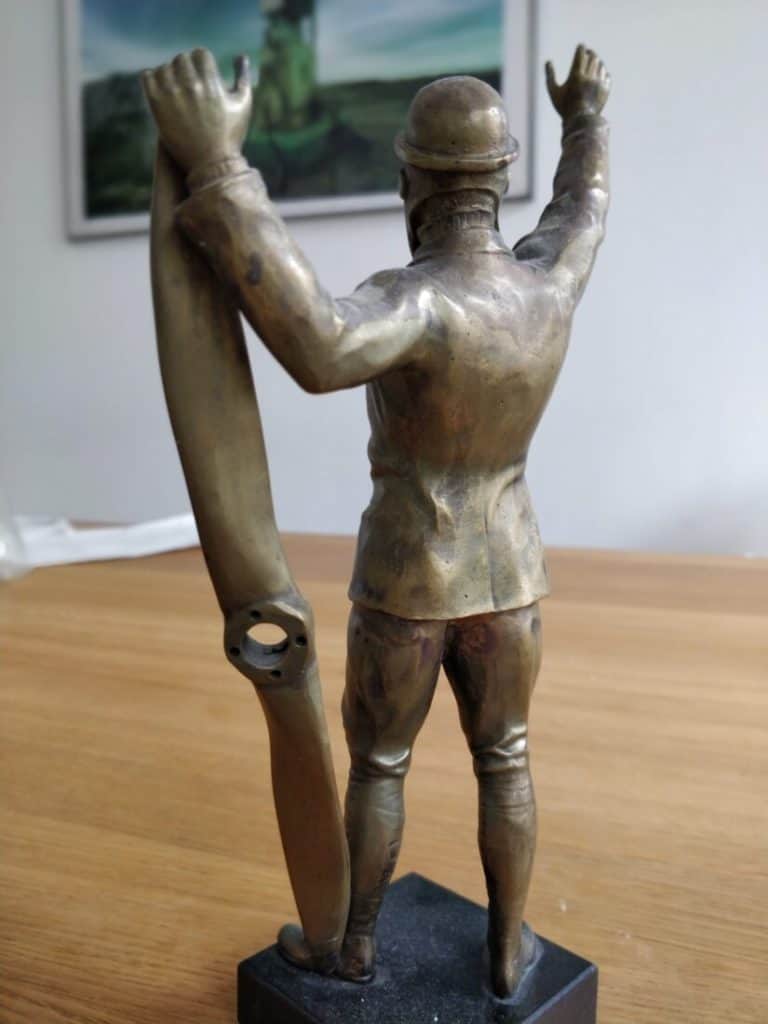
To polish or not to shine, that is the question: Art Deco bronze statue of a German WWI pilot with propeller (left untouched)
Mid-century coat hangers (chromed steel) found in the trash
Product used: Turpentine + Sidol for chrome
I found half-dozen coast hanger mounted on a board in the trash. Afterwards a lengthy disassembly process (done on-site), I headed domicile with my new finds. Upon inspection, these glaze hangers were in perfect condition, and merely needed a bit of cleaning.
After letting them soak in a saucepan with a mix of hot h2o and disinfectant, I removed the remaining traces of paint and lacquer with turpentine. I cleaned them again with clean water, stale them, and rubbed each coat hanger with a cloth and a knob of Sidol for Chrome to remove what appeared to be a yellow layer of dirt. Once once again this polishing paste showed how effective it is, as, subsequently a few seconds of rubbing, each coat hangers got its original smooth back. And that was it! Six mid-century coat hangers in now mint condition, for nothing.
-
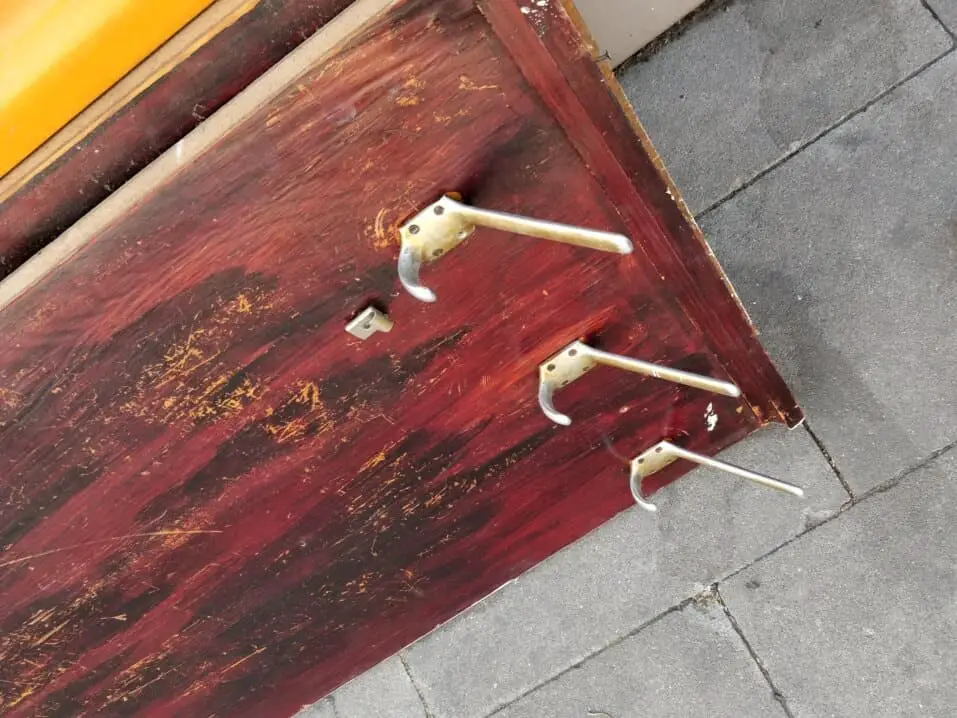
Mid century coat hanger (before cleaning) -
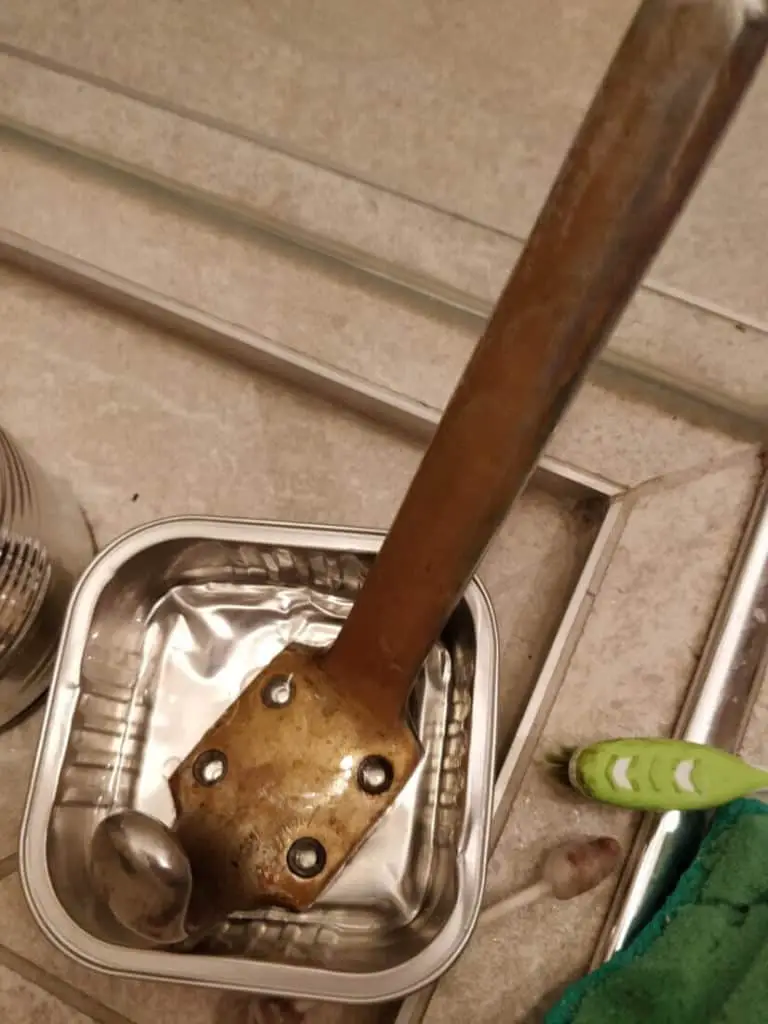
Mid century coat hanger (earlier cleaning) -
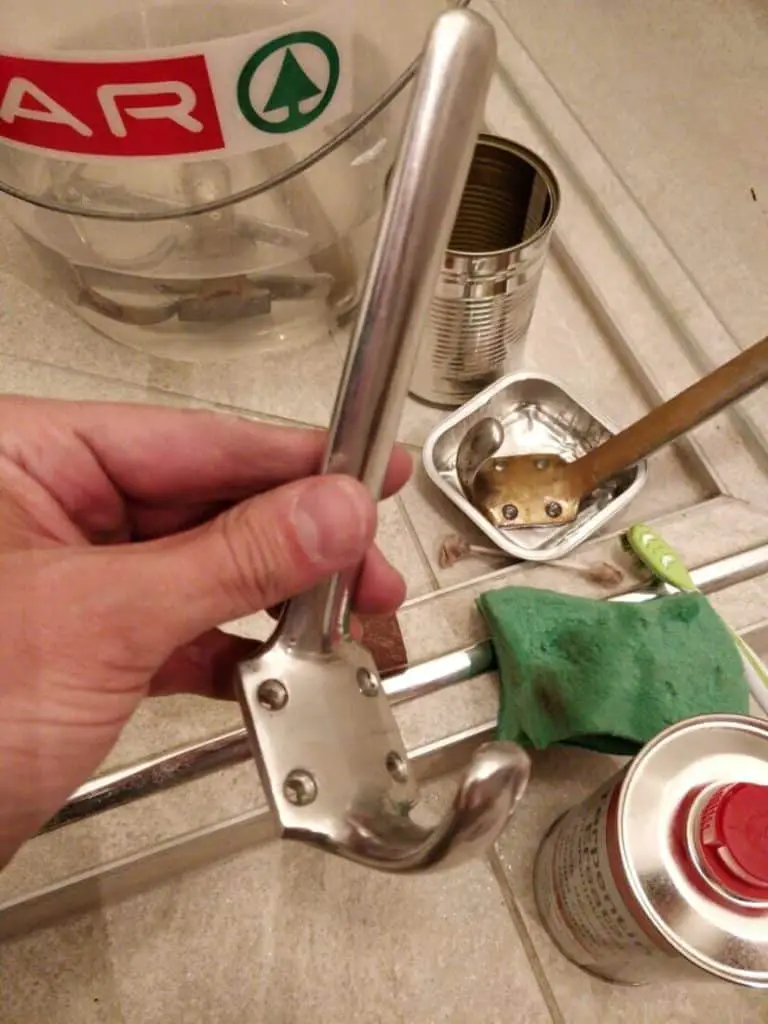
Mid century coat hanger (after cleaning) -
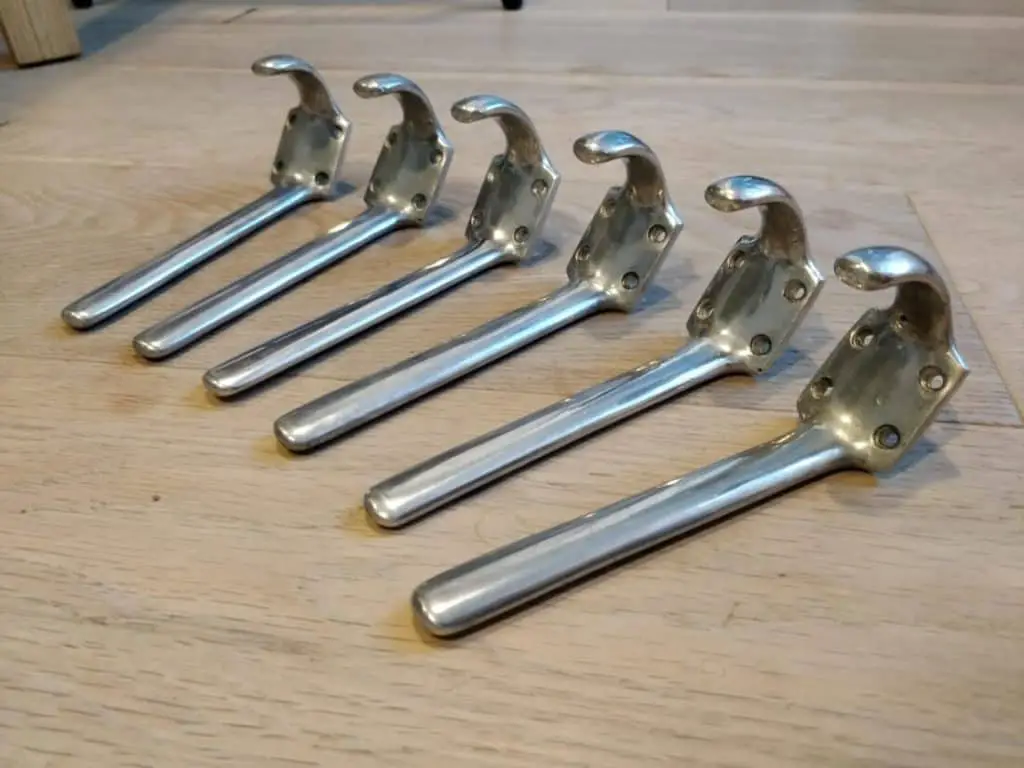
Mid century coat hanger (later on cleaning)
Verdict: I'm very happy with the time/efficiency ratio of this restoration. When I offset saw in which status were the coat hanger while they were still mounted on the wooden board, I wasn't sure if the proceeds was worth the amount of work. Merely in the end, it was all worth it: the cleaning process was seamless, and the end product exceeded my expectations.



Source: https://www.fleamarketinsiders.com/how-to-clean-antiques/
Posted by: johnsonlopead.blogspot.com
0 Response to "How To Clean Antique Metal Chocolate Molds"
Post a Comment